 Highflyer Tech






 Highflyer Tech

Asset tagging is the process of assigning a unique identification label to physical assets using technologies such as barcodes, QR codes, or RFID tags. These tags help organizations track, manage, and monitor their assets throughout their lifecycle.
Each asset tag contains important information such as asset ID, location, purchase details, and maintenance history, enabling businesses to maintain accurate records.
Why is Asset Tagging Important?
Effective asset tagging plays a critical role in improving operational efficiency and reducing losses. Without proper tracking, businesses may face challenges such as misplaced equipment, inaccurate inventory, and increased operational costs.
Key benefits include:
-
Improved asset visibility – Know where your assets are at all times
-
Reduced losses and theft – Better tracking minimizes risks
-
Efficient maintenance – Schedule timely servicing and repairs
-
Accurate inventory management – Avoid duplication and errors
-
Regulatory compliance – Maintain proper documentation

Different technologies are used depending on business needs:
1. Barcode Tags
- Cost-effective and widely used
- Requires manual scanning
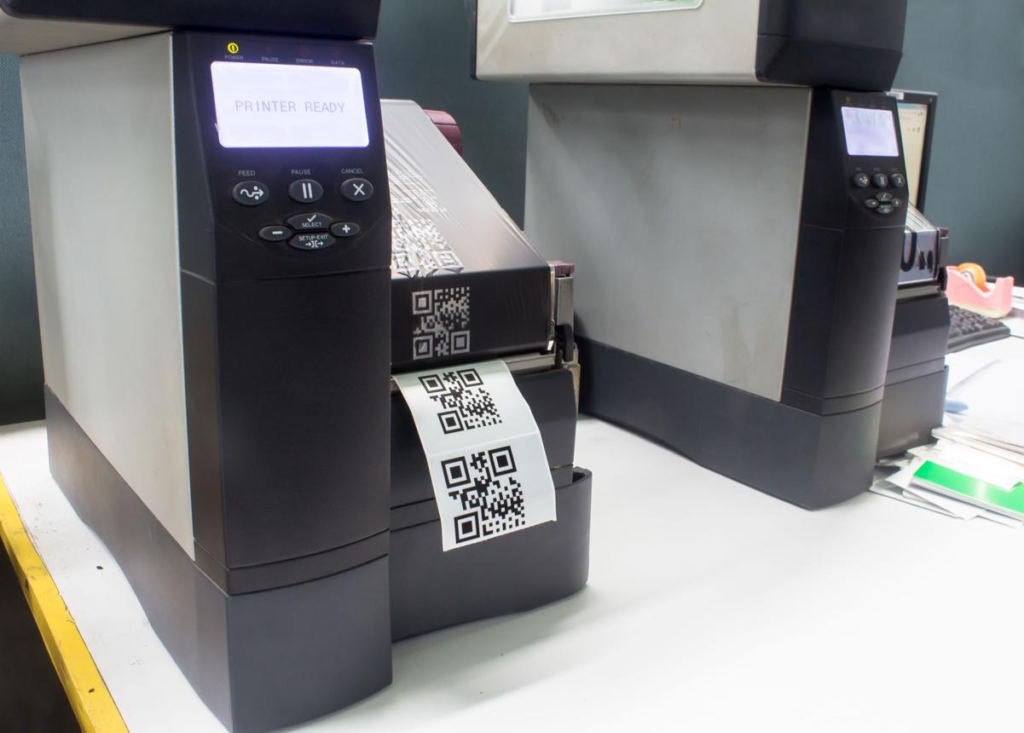
2. QR Code Tags
- Stores more data than barcodes
- Easy to scan using smartphones
3. RFID Tags
- Enables real-time tracking
- Does not require direct line of sight
- Ideal for large-scale operations
Industries That Use Asset Tagging
Asset tagging is widely used across multiple industries:
- IT and Data Centers
- Manufacturing
- Oil & Gas
- Healthcare
- Logistics and Warehousing
How Highflyer Tech Can Help
At HighflyerTech, we provide end-to-end asset tagging solutions tailored to your business needs. Our services include:
- Asset identification and labeling
- Barcode / QR / RFID implementation
- Asset tracking system setup
- Integration with asset management software
We help businesses gain full control over their assets, improve efficiency, and reduce operational risks.